Wales Glamping Sites
Locations
Showing page 2 / 5

SLOEBERRY FARM Glamping Cardigan Bay Wales with Hot Tub
Offers now online for October Half Term - Sloeberry Farm Lodge with private woodfired hot tub
- Dog Friendly
- Hot Tub
- Luxury
- Family Friendly
- Couple Retreats
- Coastal
- Eco Friendly
Prices from £100

EMBRACE THE SPACE Glamping Wales with Hot Tub
- Open All Year Round
- Dog Friendly
- Hot Tub
- Luxury
- Family Friendly
- Wi-Fi
- Eco Friendly
Prices from £90

BRYN A MOR TIPI AND SHEPHERDS HUT Glamping South Wales
- Dog Friendly
- Great for Groups
- Adult Only Sites
- Family Friendly
- Couple Retreats
- Activities on Site
Prices from £70

GREAT HOUSE FARM LUXURY GLAMPING PODS in Wales with Hot Tubs
- Open All Year Round
- Hot Tub
- Great for Groups
- Luxury
- Family Friendly
- Wi-Fi
Prices from £120
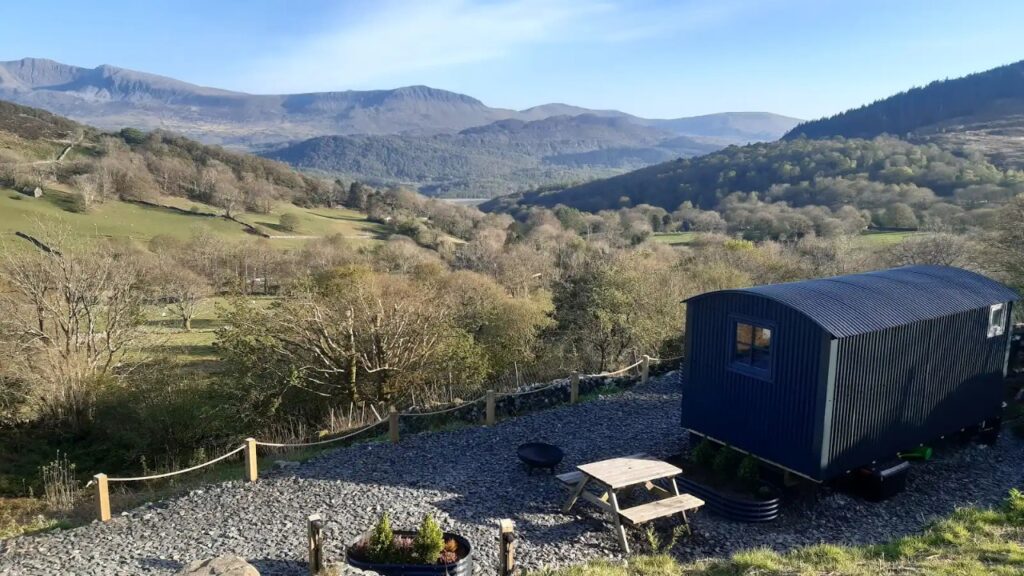
HEN GWT GLOWYR Shepherds Hut in Snowdonia with Hot Tub
- Hot Tub
- Couple Retreats
- Wi-Fi
- Great for Walks
Prices from £113

CAE LAL Snowdonia National Park in Bangor, North Wales with Hot Tub
- Hot Tub
- Sauna
- Great for Groups
- Luxury
- Couple Retreats
- Activities on Site
- Great for Walks
Prices from £80

WYE CABINS (formerly Wye Glamping) The Brecon Beacons and Hay on Wye
- Dog Friendly
- Family Friendly
- Couple Retreats
Prices from £108
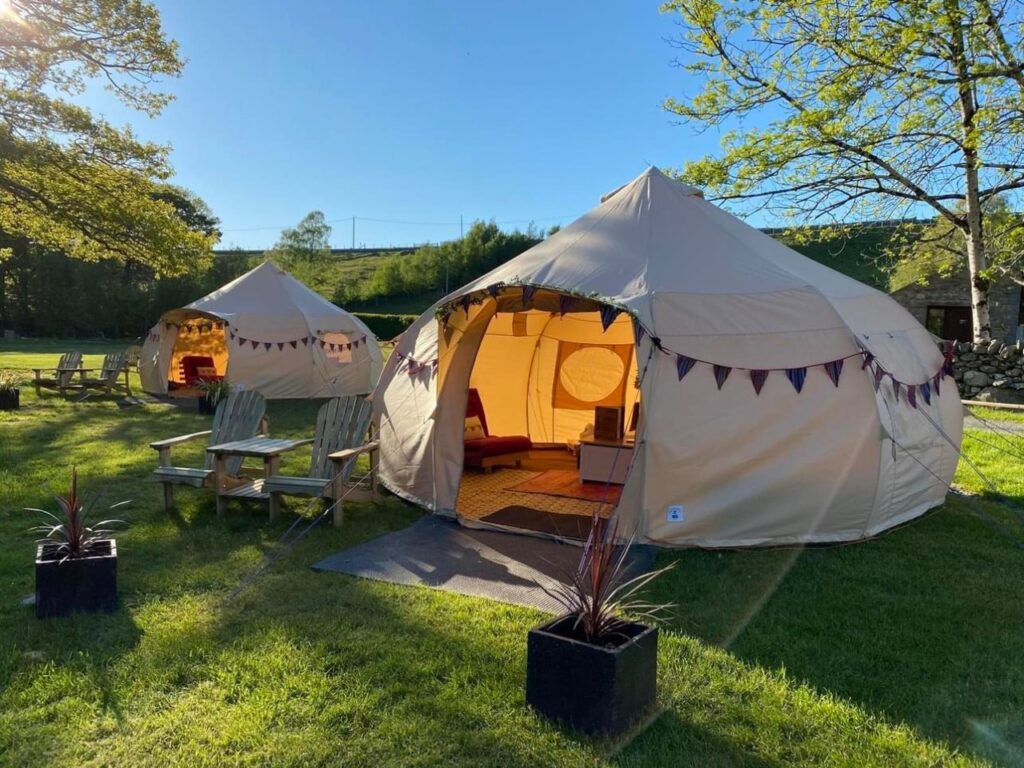
NANTCOL WATERFALLS CAMPSITE Luxury Bell Tents in Snowdonia, North Wales
- Camping Available
- Wi-Fi
- Great for Walks
Prices from £90
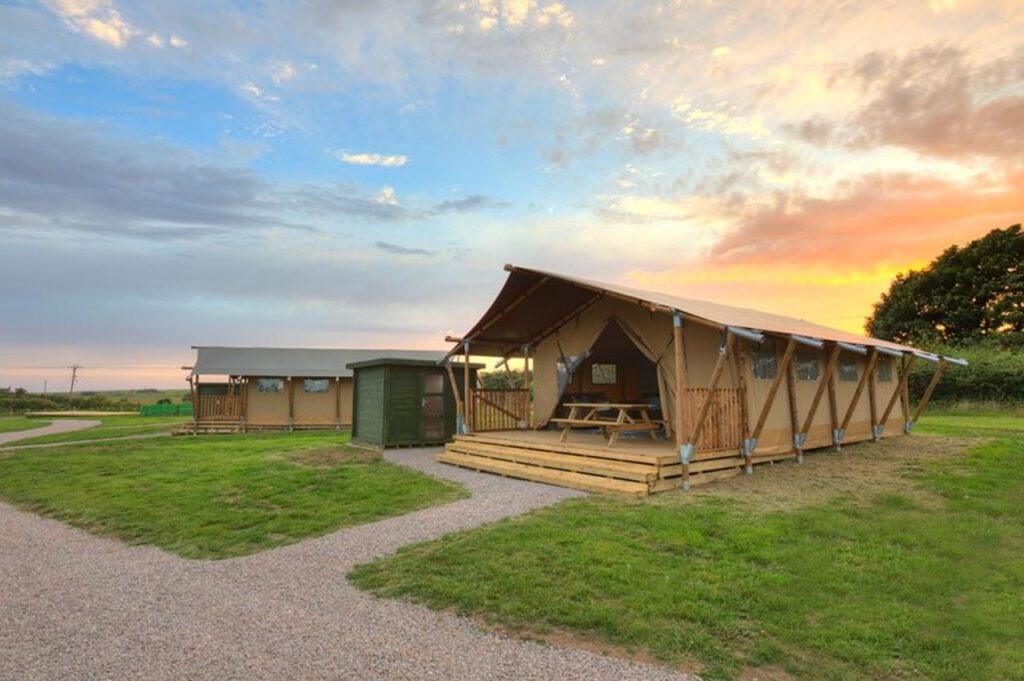
NIGHTSKY GLAMPING Abersoch Gwynedd with Hot Tub
- Dog Friendly
- Hot Tub
- Family Friendly
- Wi-Fi
- Coastal
- Great for Walks
Prices from £134
Where would you like to go Glamping?
Popular Wales glamping




Popular Wales glamping locations


Best glamping sites in Wales
Eight Welsh sites from our listings that stand out, and the honest reason why. All are independently run and listed on Love Glamping.
- Cae Lal, Bangor — inside Eryri (Snowdonia) National Park, with a hot tub and a sauna. The one to book if you’re walking all day.
- Nightsky Glamping, Abersoch — two miles from the sandy beaches of Abersoch on the Llŷn Peninsula, dog friendly, hot tub.
- Pant Y March Feather Down Farm, Bala — proper working-farm glamping near Bala Lake, with a hot tub, sauna and pizza oven. Good with children.
- Brynteg Glamping, Anglesey — geodesic domes and pods with hot tubs, on the coast and open all year.
- Nantcol Waterfalls, Eryri — bell tents and pods beside the waterfalls themselves, in the Rhinogydd hills near Harlech.
- Sloeberry Farm, Cardigan Bay — woodland setting three miles from the beach, hot tub, eco credentials, dog friendly.
- Saffir Eco Cabin, Treberfedd Farm, Ceredigion — a genuinely low-impact luxury cabin with a hot tub, on a farm that also has an Edwardian showman’s caravan if you want something odder.
- Head for the Hills, Carmarthenshire — looks straight out over Bannau Brycheiniog (Brecon Beacons) National Park, does one-night stays, has a pizza oven.
Glamping in North Wales
North Wales is where most of our Welsh sites are, and Eryri (Snowdonia) National Park is the reason — 823 square miles of mountains, lakes and valleys, including Yr Wyddfa (Snowdon), the highest peak in Wales at 1,085m. Add Anglesey and the Llŷn Peninsula and you get mountains and beaches within half an hour of each other. See all our North Wales glamping sites.
Worth building a day around:
- Conwy Castle — a 13th-century UNESCO World Heritage castle you can see from the road as you come into town, with the walled town and Telford’s suspension bridge alongside it.
- The Welsh Highland Railway — narrow-gauge steam from Caernarfon to Porthmadog, running right around the foot of Yr Wyddfa. The longest heritage railway in the UK.
- Zip World — Europe’s longest zip line at Penrhyn Quarry near Bethesda, plus underground trampolines in a slate mine and a forest course at Betws-y-Coed.
- Llyn Padarn and Llanberis — the classic base for walking up Yr Wyddfa, with the lake, the slate museum and the Llanberis Path all on the doorstep.
- Anglesey Coastal Path — 130 miles around an island that is almost entirely designated Area of Outstanding Natural Beauty.
Farm glamping is widely available across North Wales too, and it’s usually the quieter, cheaper alternative to a mountain site — try Pant Y March Feather Down Farm near Bala, or Erw Glas, which has camping alongside the glamping if you’re travelling with friends who’d rather bring a tent.
Glamping in Mid and West Wales
The stretch most visitors drive past, and the one we’d argue is the best value. Cardigan Bay has the UK’s largest resident population of bottlenose dolphins — you can often see them from the harbour walls at New Quay without going out on a boat. Inland, the Elan Valley and the Cambrian Mountains are some of the emptiest country in Britain, and the Elan Valley is a certified International Dark Sky Park, which makes a hot tub under the stars a rather different proposition.
- Treberfedd Farm, Ceredigion — eco cabins with hot tubs on a working organic farm.
- Lets Glamp Retro — restored vintage caravans with hot tubs, for people who want the stay to be the story.
- Silver Fern Glamping — coastal shepherd’s huts, dog friendly, with adults-only options.
Glamping in South Wales
South Wales gives you two very different holidays within an hour of each other: the Bannau Brycheiniog (Brecon Beacons) uplands, and roughly 180 miles of Pembrokeshire and Gower coastline. Cardiff sits in the middle of it if you want a day of arcades, the castle and waterfront dining in the middle of a countryside week. Browse our South Wales glamping sites.
- The Gower Peninsula — golden beaches, surfing at Llangennith and Rhossili’s three-mile sweep of sand. The Gower was the first place in Britain to be designated an Area of Outstanding Natural Beauty, back in 1956.
- Pembrokeshire Coast National Park — the only national park in Britain made up mainly of coastline, and the home of coasteering.
- Skomer Island — Wales’ best-known wildlife island, with around 40,000 puffins between April and July, plus one of the world’s largest Manx shearwater colonies. Boats run from Martin’s Haven.
- Bannau Brycheiniog — waterfall country around Ystradfellte, Pen y Fan, and an International Dark Sky Reserve designation that makes it one of the best stargazing spots in the UK.
Coastal glamping in South and West Wales includes plenty of dog-friendly sites and some accommodation suited to guests with limited mobility — Fishguard Bay Resort sits on the Pembrokeshire coast path with hot tubs, and Felin Geri has safari tents with hot tubs and activities on site. Always check the individual listing for exact access details.
Types of glamping accommodation in Wales
- Glamping pods and cabins — the most common type in Wales. Solid walls, proper bed, heating, often en suite. Typically sleep 2–4. Best for: colder months and first-time glampers.
- Shepherd’s huts — cosy, traditionally styled, usually a wood burner. Typically sleep 2, sometimes 4. Best for: couples.
- Safari tents — the big ones: separate bedrooms, a kitchen, a proper dining table. Typically sleep 6–8. Best for: families and two couples sharing. Usually spring to autumn only.
- Yurts — roomy and round, often with a central stove. Typically sleep 4–6. Best for: families and groups who want the canvas feel with more space.
- Domes, treehouses, eco cabins and vintage caravans — the one-offs. Wales has a good share of them, including geodesic domes on Anglesey and restored retro caravans in West Wales.
Glamping in Wales with a hot tub
More than half the Welsh sites we list include a private hot tub, and it’s the single most requested feature we get asked about. It works particularly well in Wales for two reasons: the walking is hard on the legs, and the skies over Bannau Brycheiniog and the Elan Valley are dark enough that you can stargaze from the water. Sites to look at include Cae Lal (hot tub and sauna in Eryri), Hush Hush Glamping Pods in Powys (adults only), Oaklands Treehouses and Riverside Camping and Glamping in Eryri, which has a sauna as well.
Best time of year for glamping in Wales
May, June and September are the sweet spot — long days, thinner crowds, lower prices, and midges less of a problem than in high summer. July and August are the warmest and the busiest, and the dearest: school holidays and bank holidays are consistently the most expensive weeks of the year, while a midweek stay outside them is the cheapest way to do it. A number of Welsh sites will also take single-night bookings off-season rather than insisting on two.
Autumn and winter glamping in Wales genuinely works, as long as you book a heated, solid-walled pod or cabin rather than canvas. The hills empty out, the waterfalls are at their best after rain, and the dark skies are far better in December than in June. Around 15 of the Welsh sites we list are open all year; canvas accommodation — safari tents, yurts, bell tents — is usually seasonal, so check the listing before planning a February trip.
Is glamping in Wales good for outdoor activities?
Yes, and it’s the main reason people come. Wales has mountain biking centres that draw riders from across Europe (BikePark Wales in the south, Coed y Brenin — Britain’s first purpose-built trail centre — in the north), hiking across Eryri and Bannau Brycheiniog, surfing on the Gower and the Llŷn, coasteering in Pembrokeshire, and the Wales Coast Path — 870 miles, and the first continuous path around an entire country’s coastline anywhere in the world. Many of the glamping sites we list are positioned deliberately close to a trailhead, a beach or a bike centre.
Is glamping in Wales dog-friendly?
Yes. Dog-friendly glamping is widely available across North, Mid and South Wales, including a good number of coastal sites — around 20 of the Welsh sites we list welcome dogs. Bear in mind that many Welsh beaches have seasonal dog restrictions between May and September, and that sheep country means leads on almost everywhere. Always check the individual listing for the site’s own dog policy, any charge per dog, and the number allowed.
Find glamping in Wales
We list glamping sites across North Wales and South Wales, updated regularly, and every site is booked directly with its owner — we don’t take commission and we don’t add a booking fee. If you have a question about a particular site, contact the site directly through its listing, or get in touch with us and we’ll point you in the right direction. You can also read more about who we are and how we choose the sites we list.
For wider ideas on things to do and see, the official tourist board site is Visit Wales.
Last updated August 2026.
BROWSE ALL OUR GLAMPING SITES IN WALES
It depends what you want from the trip. Eryri (Snowdonia) and North Wales suit walkers and anyone after mountains and lakes — this is also where most of our Welsh sites are. Pembrokeshire and the Gower suit beaches, coast path walking and surfing. Bannau Brycheiniog (the Brecon Beacons) suits waterfalls and stargazing, being an International Dark Sky Reserve. Cardigan Bay and Mid Wales are the quietest and usually the best value.
Yes — around 15 of the Welsh sites we list are open all year. Look for heated, solid-walled accommodation such as pods, cabins and shepherd’s huts, ideally with a hot tub or wood burner. Canvas accommodation like safari tents, yurts and bell tents is usually seasonal and closes over winter, so check the individual listing before booking an off-season trip.
From £30 to £235 per night, depending on the site, the season and the size of your group. A pod or shepherd’s hut for two sits at the lower end; a large safari tent or a luxury cabin with a private hot tub at the higher end. School holidays and bank holidays are the dearest weeks — a midweek stay outside them is the cheapest way to do it.
Some sites do offer accessible accommodation, including a number on the coast, but it varies a great deal — rural Welsh sites often sit on sloping or uneven ground. Check the individual listing and contact the site directly to confirm step-free access, parking beside your unit and bathroom layout before you book.
For most sites, yes. Welsh glamping is largely rural and rural Wales has thin public transport. There are exceptions: sites near Betws-y-Coed, Bangor and the Conwy Valley are reachable on the Conwy Valley railway line, and the Cambrian Coast line serves the Gwynedd and Ceredigion coast. If you’re arriving without a car, say so when you enquire — plenty of hosts will collect you from the nearest station.