When did you last spend a full day without checking your phone? For most of us, the honest answer is that we can’t remember. Notifications, emails, social media, news feeds — the digital world has quietly colonised every spare moment, and the toll it takes on our mental wellbeing is something an increasing number of people are actively looking to address. Enter digital detox glamping: one of the fastest-growing holiday trends in the UK, and arguably the one that answers a need most of us feel but rarely act on.
The good news is that you don’t have to travel far, spend a fortune, or commit to a week-long silent retreat to experience the benefits of properly switching off. A digital detox glamping break puts you in a beautiful outdoor setting, in comfortable and often luxurious accommodation, with a very simple instruction: leave the screens behind.
What Is Digital Detox Glamping?
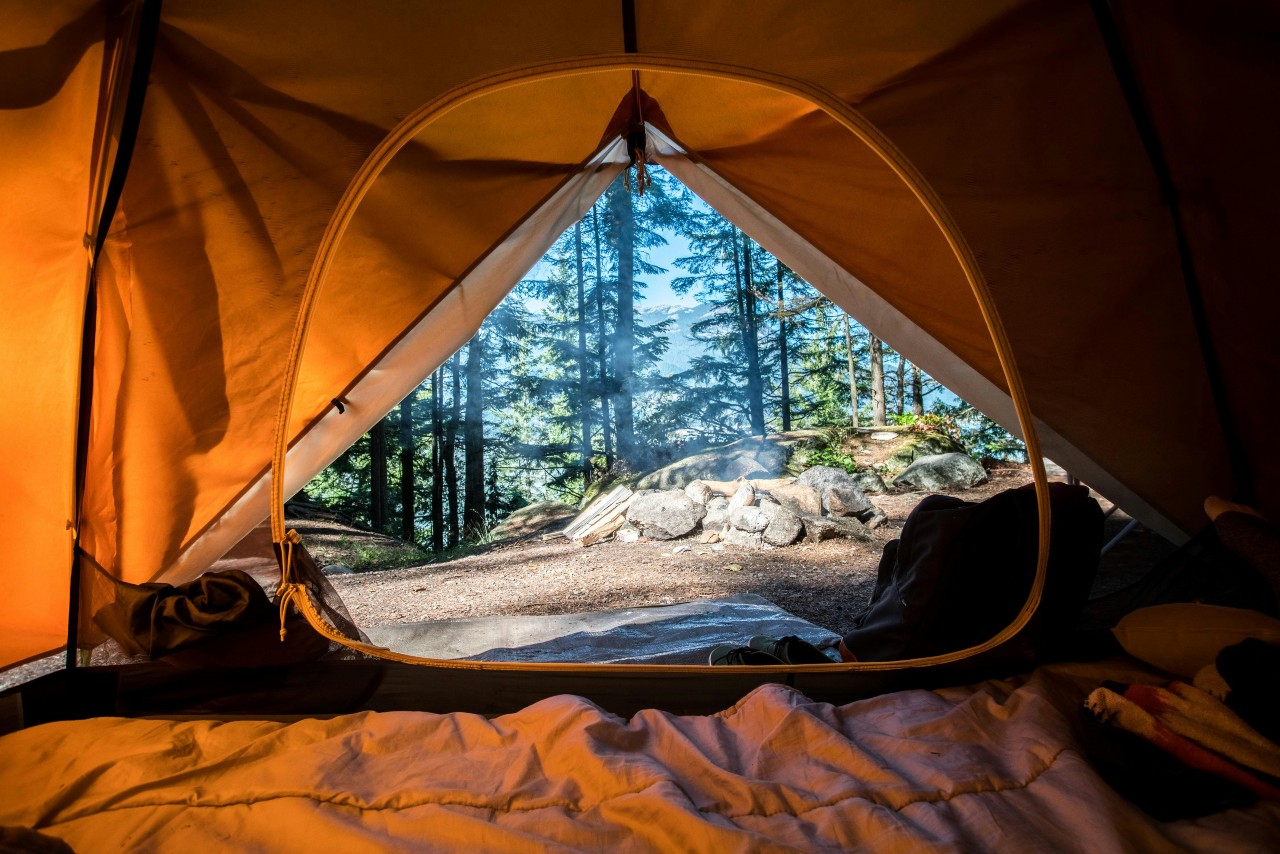
Digital detox glamping combines the comfort and character of glamping accommodation — shepherd’s huts, off-grid cabins, lodges, woodland pods, safari tents, yurts and wild camping — with an intentional, screen-free approach to the stay. Some sites go fully off-grid, with no WiFi, no phone signal, and sometimes even a lockbox for your devices. Others simply offer an environment so naturally absorbing that putting the phone down stops feeling like a sacrifice and starts feeling like a relief.
It’s distinct from ordinary glamping in one important way: the absence of connectivity isn’t a drawback to be apologised for. It’s the whole point. The lack of signal is the feature, not the bug.
Why Digital Detox Holidays Are Growing So Fast
The numbers tell a compelling story. Searches for digital detox retreats and off-grid accommodation in the UK have surged significantly over the past two years, with demand accelerating sharply heading into 2026. Booking platforms and accommodation providers across the country report that guests are actively seeking out properties that offer genuine disconnection — not just somewhere with patchy WiFi, but places that make switching off feel supported and intentional.
The drivers are straightforward. Screen time has increased dramatically across all age groups. The boundary between work and personal life has blurred to the point of near-invisibility for many remote and hybrid workers. Social media use, while habitual, is widely recognised as a source of anxiety and poor sleep. And the general pace of modern life — always on, always available, always one notification away from being pulled back in — has created a deep appetite for its opposite.
A digital detox glamping break offers something that has become genuinely rare: uninterrupted time. Time to think, to sleep properly, to have conversations that don’t compete with screens, to notice the landscape around you, to be bored in the productive way that used to precede creativity.
What to Expect From a Digital Detox Glamping Break
Every digital detox glamping experience is slightly different, but most share a common set of qualities that distinguish them from a standard glamping stay.
No WiFi — by design. The best digital detox glamping sites don’t just happen to have poor connectivity. They’re deliberately located or configured to remove it entirely. Some provide a lockbox at arrival, inviting guests to store their devices for the duration of the stay. Others simply let the natural remoteness of the location do the work.
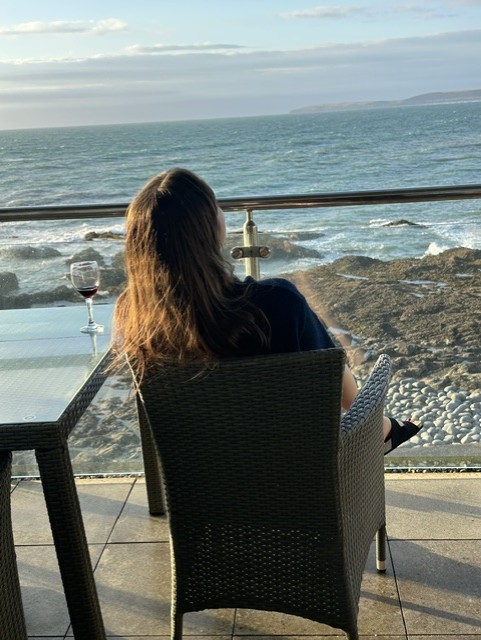
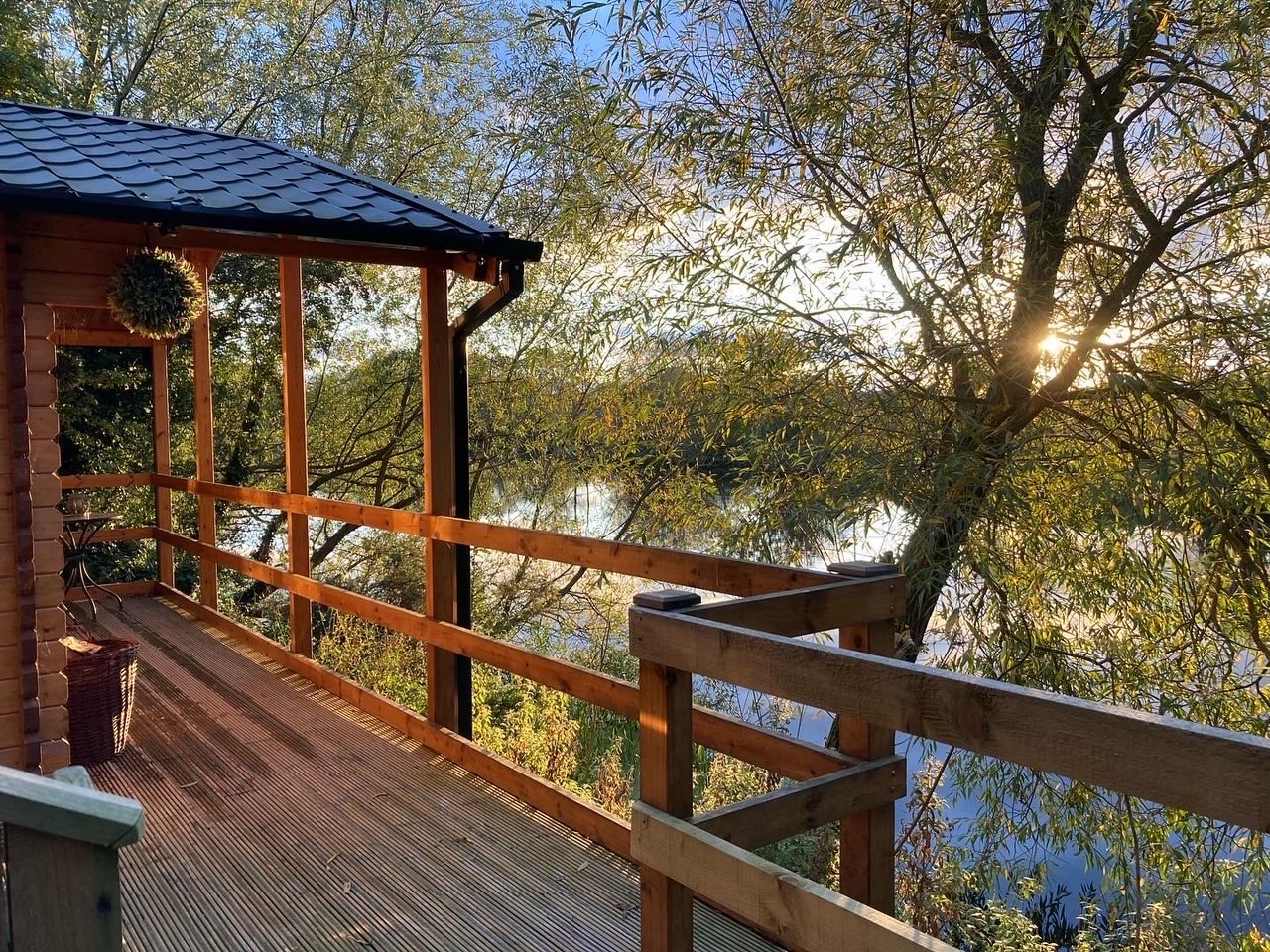
Immersive natural surroundings. Off-grid glamping sites tend to sit within genuinely beautiful landscapes — woodland, moorland, riverside meadows, coastal clifftops — where the environment itself becomes the entertainment. When the view from your door is that good, the pull of a screen weakens considerably.
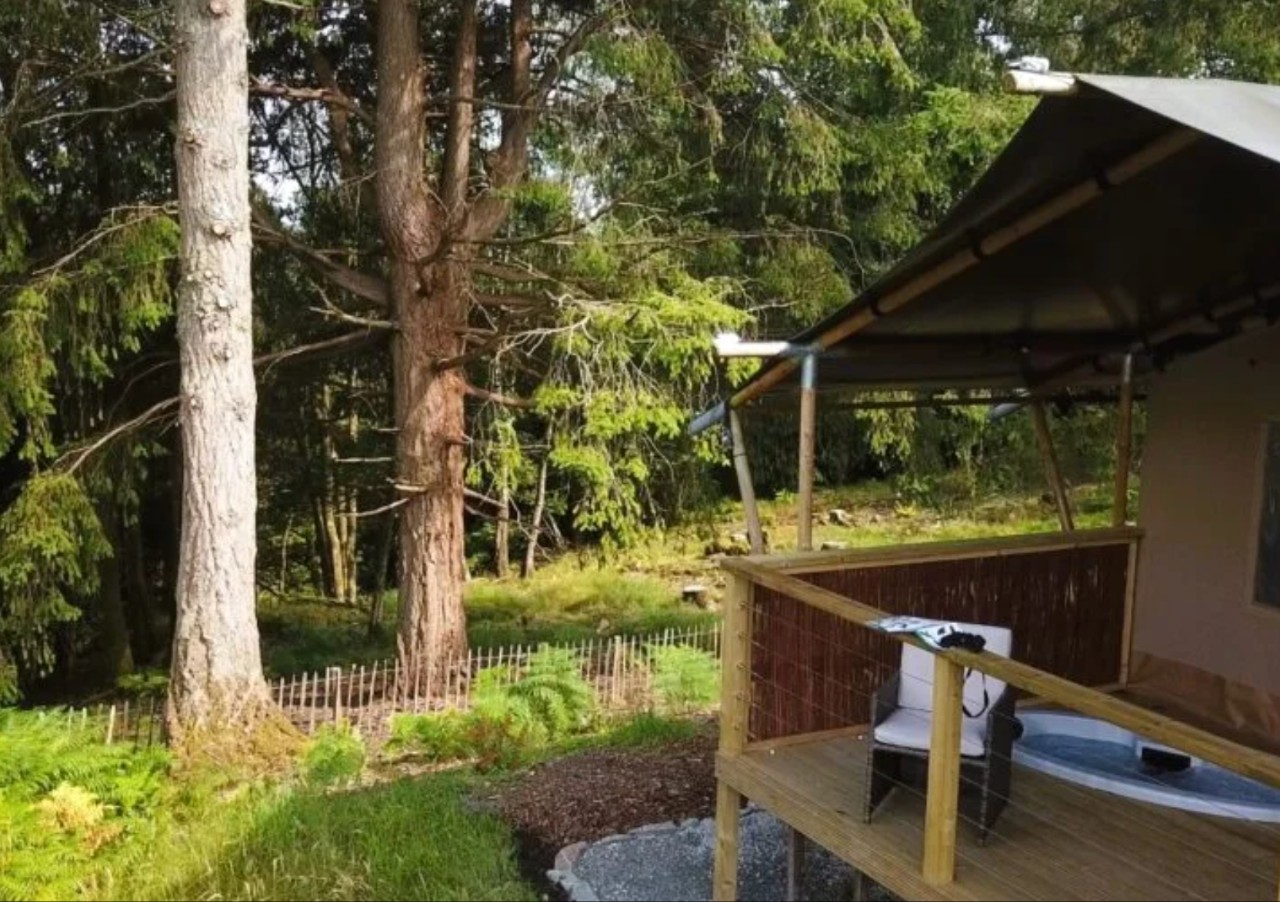
Thoughtfully equipped accommodation. Digital detox doesn’t mean uncomfortable. The best off-grid glamping units are exceptionally well-appointed: real beds with quality linen, wood-burning stoves, fully equipped kitchens, private outdoor spaces with fire pits, and — frequently — hot tubs under open skies. The idea is that comfort and connection with nature replace digital stimulation, not that hardship forces you to put the phone down.
Analogue alternatives. Many digital detox glamping sites stock their accommodation with books, board games, star-gazing guides, walking maps, and nature journals. Simple things that fill the spaces where scrolling used to be, and that most guests find they enjoy far more than expected.
The Real Benefits of Switching Off
The benefits of a digital detox holiday are well documented and tend to be felt quickly — often within the first 24 hours of a stay.
Better sleep. Blue light from screens suppresses melatonin production and delays sleep onset. Remove the screens, particularly in the hours before bed, and sleep quality improves noticeably for most people. A night spent genuinely tired after a day outdoors, in a dark shepherd’s hut with only the sound of the countryside, tends to be extraordinarily good.
Reduced anxiety. The constant low-level stimulation of notifications, news and social media comparison creates a background hum of anxiety that many people don’t fully notice until it stops. The first day of a digital detox glamping break can feel slightly restless; by the second, most guests report feeling noticeably calmer.
Restored attention. Spending time in nature without a screen competing for your focus has a measurable restorative effect on attention and concentration — a phenomenon researchers call Attention Restoration Theory. After a few days of digital detox glamping, many people return to work or their regular lives feeling sharper and more focused than they have in months.
Genuine connection. Without phones on the table and screens in hand, conversation changes. Meals get longer. Eye contact comes back. Whether you’re on a romantic break for two or a family trip, the quality of time spent together during a digital detox stay is almost universally reported as one of its greatest rewards.
Digital Detox Glamping for Different Types of Traveller
Couples find digital detox glamping particularly powerful. A weekend in an off-grid shepherd’s hut — no phones, no emails, no social media — creates the kind of uninterrupted quality time that busy modern relationships rarely get. Many couples who try it once book again almost immediately.
Families often find the initial resistance from children and teenagers gives way surprisingly quickly once the screens are actually gone. With nature on the doorstep and simple activities to fill the time, family digital detox glamping breaks tend to generate the kind of memories — den building, campfire cooking, stargazing — that stick around long after any holiday photo would have been forgotten.
Burnt-out professionals are perhaps the most natural audience for digital detox glamping. The working week for many people now extends invisibly into evenings and weekends via email and messaging apps. A proper off-grid glamping break represents genuine time off — something that has become increasingly difficult to achieve in any other context.
Solo travellers seeking space to think, create or simply rest will find digital detox glamping an unusually restorative experience. Without the social obligation that connectivity creates, a solo digital detox stay becomes something closer to a proper retreat.
What to Look for When Booking a Digital Detox Glamping Break
Not all glamping sites that mention ‘off-grid’ or ‘no WiFi’ offer a genuinely immersive digital detox experience. When researching your stay, it’s worth checking a few things:
Is there phone signal? True digital detox sites are typically located in areas of low or no mobile coverage. If a site mentions WiFi but poor signal, that’s not quite the same thing.
What is the setting like? The environment matters enormously. A woodland cabin, a moorland pod, a riverside yurt — these settings support digital detox naturally because they offer so much to engage with outside.
What’s provided inside? Books, games, maps and other analogue activities signal that a site has genuinely thought about the digital detox experience rather than just the accommodation.
How remote is it really? Genuine off-grid glamping sites tend to require a short walk or drive to reach the nearest village or town. That physical distance from the everyday world reinforces the mental distance the break is designed to create.
Where to Find Digital Detox Glamping in the UK
The UK has a remarkable variety of landscapes ideally suited to digital detox glamping, and sites can be found the length and breadth of the country.
The Scottish Highlands offer perhaps the most naturally immersive digital detox environment in the UK — vast, wild, and in many areas genuinely off-grid by default. Wales, particularly Snowdonia and the Brecon Beacons, has a strong concentration of off-grid woodland and mountain glamping sites. In England, the Lake District, the North York Moors, and the more remote corners of the West Country all offer excellent digital detox glamping options, while even the Home Counties have quietly excellent woodland sites for those who can’t travel far.
The key in every region is the same: find the site where the landscape does the work, and let the absence of connectivity do the rest.
One Last Thought
The most common thing guests say after a digital detox glamping break is that they didn’t realise quite how much they needed it until they were there. The first few hours can feel unfamiliar — slightly restless, slightly strange, the hand reaching for a phone that isn’t there. And then something shifts. The landscape comes into focus. The conversation deepens. The sleep arrives properly. And by the time the break ends, the question isn’t whether it was worth it. It’s when you can come back.
Your phone will be exactly where you left it. Everything else can wait.