Glamping Sites in Scotland
Locations
Showing page 2 / 3

THE WEE LODGE Glamping Pod overlooking Loch Morar
- Open All Year Round
- Unique
- Couple Retreats
- Wi-Fi
- Coastal
Prices from £117

HIGHLAND GATEWAY GLAMPING PODS near Aloa with Hot Tub
- Hot Tub
- Camping Available
- Adult Only Sites
- 1 Night Stays Available
Prices from £130

HARVEST MOON HOLIDAYS Treehouse and Beach Cabins in East Lothian
- Family Friendly
- Couple Retreats
- Wi-Fi
- Coastal
Prices from £112

LOCH NESS GLAMPING PODS Inverness-shire The Highlands
- Open All Year Round
- Dog Friendly
- Family Friendly
- Couple Retreats
- Wi-Fi
Prices from £85
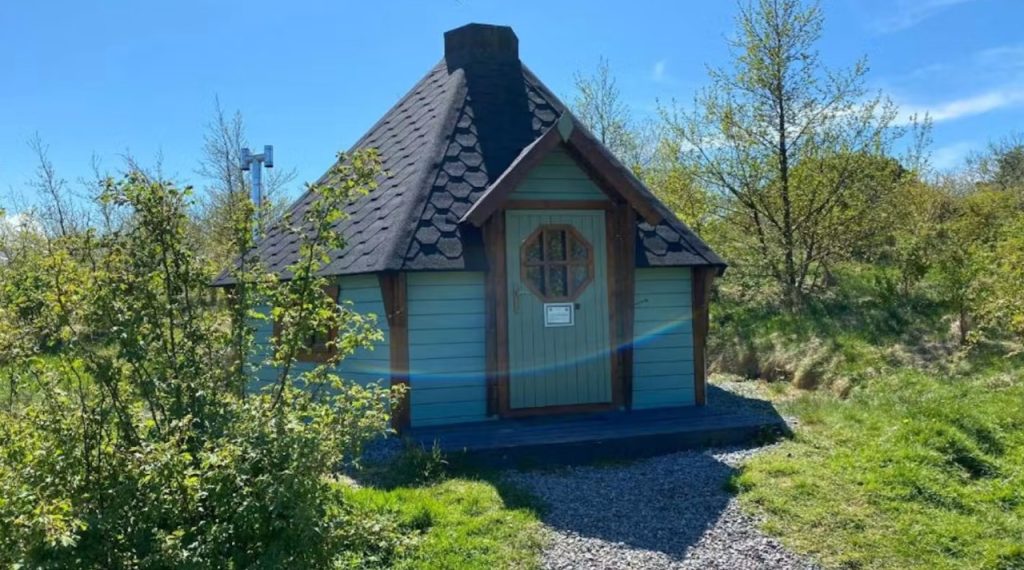
SKYE ECO BELLS CABINS Glamping Isle of Skye
- Dog Friendly
- Couple Retreats
- Eco Friendly
- Great for Walks
Prices from £105

BRACKEN BARNS GLAMPING Quirky Converted London Bus with Sauna
- Sauna
- Unique
- Family Friendly
- Couple Retreats
- Eco Friendly
- Activities on Site
Prices from £180

AIRHOUSES Glamping Pods in Lauder with Hot Tub & Sauna
- Open All Year Round
- Dog Friendly
- Hot Tub
- Sauna
- Couple Retreats
Prices from £175

KELBURN ESTATE Luxury Glamping Yurts in Ayrshire
- Camping Available
- Family Friendly
- Eco Friendly
- Activities on Site
- Great for Walks
Prices from £105

RUNACH ARAINN Yurt Glamping on The Isle of Arran
Check website for latest offers
- Open All Year Round
- Family Friendly
- Couple Retreats
- Eco Friendly
Prices from £85
Where would you like to go Glamping?
Popular Scotland glamping


Popular Scotland glamping locations


We currently list more than 20 glamping sites across Scotland, from pods on the shore of Loch Ness and Loch Morar in the Highlands, to yurts on the Isle of Arran, to hot-tub cabins in the Borders and Dumfries & Galloway. Prices run from around £40 to £200 per night depending on the site, the season and the size of your group, and most units sleep 2–6.
Scotland is built for this. Two national parks — the Cairngorms, the largest national park in the UK, and Loch Lomond & The Trossachs — sit alongside 282 Munros, roughly 790 islands, and a right of responsible access enshrined in law since 2003, which means you can walk almost anywhere so long as you do it considerately. Add Galloway Forest Park, the UK’s first Dark Sky Park, and you have a country where the view from the door is the whole point.
It also means weather, and that is worth being straight about: Scotland is cool, changeable and, from late spring to early autumn, midgy in the west. Glamping is the sensible answer — a heated, solid-walled pod gives you the landscape without the damp sleeping bag. Below we cover our pick of the best glamping sites in Scotland, the regions, the accommodation types, hot tubs, when to go, and the questions we get asked most.
Best glamping sites in Scotland
Eight Scottish sites from our listings that stand out, and the honest reason why. All are independently run and listed on Love Glamping.
- Airhouses, Lauder — pods in the Borders with a hot tub and a sauna, dog friendly and open all year. The best all-rounder on this list.
- The Wee Lodge, Loch Morar — a pod looking out over the deepest freshwater loch in the British Isles. Hard to beat for the view alone.
- Loch Ness Glamping Pods, Inverness-shire — pods on the doorstep of Loch Ness, open all year and dog friendly.
- Craighead Howfs, Perthshire — luxury howfs with private hot tubs, adults only. The one for a quiet couple’s break.
- Runach Arainn, Isle of Arran — eco yurts on “Scotland in miniature”, open all year. Island glamping without a long crossing.
- Harvest Moon, East Lothian — treehouses and beach cabins on the coast, within easy reach of Edinburgh.
- Gorsebank, Dumfries & Galloway — cabins and pods with hot tubs, budget friendly, and close to Galloway Forest Park’s dark skies.
- Glenshee Glamping, Blairgowrie — pods and shepherd’s huts with a hot tub on the southern edge of the Cairngorms. Good for groups.
Popular glamping regions in Scotland
- Scottish Highlands and the NC500 — rugged mountains, sea lochs and the 516-mile North Coast 500 driving route.
- Loch Lomond & The Trossachs — Britain’s largest inland water by surface area, an hour from Glasgow.
- Cairngorms National Park — the UK’s largest national park, and the best place in the country for wildlife: ospreys, red squirrels, and stags calling through October.
- Scottish Borders and Dumfries & Galloway — gentler hills, forest and abbey towns, plus Galloway Forest Park’s dark skies. The most affordable corner of Scotland for glamping.
- Perthshire and central Scotland — “big tree country”, easy to reach from Edinburgh and Glasgow, and where several of our most comfortable sites sit.
- Ayrshire, Arran and the Firth of Clyde — beaches, castles and a short ferry to island glamping.
Glamping in the Scottish Highlands
The Highlands are what most people picture, and the scale is genuinely different — 282 Munros over 3,000 feet, Ben Nevis at 1,345m as the highest point in the British Isles, and sea lochs cutting deep into the west coast. In winter the northern Highlands are one of the few places in the UK where the aurora is visible on a clear night. Browse all our Highlands glamping sites.
- Glen Nevis Holidays, Fort William — budget-friendly and family friendly, at the foot of Ben Nevis and the end of the 96-mile West Highland Way.
- Inver Coille, Inverness-shire — domes and bell tents, dog friendly, with camping alongside.
- Ardgay Glamping, Sutherland — pods in the far north, open all year, right on the NC500.
A note on getting around: the Highlands are remote and public transport is thin, so most guests will want a car. The exceptions are worth knowing — the West Highland Line runs to Fort William and Mallaig and is regularly voted one of the great railway journeys in the world.
Glamping in the Scottish Borders and Lowlands
The Borders are the most underrated part of glamping Scotland and usually the best value: rolling hills, forest, the Tweed, and four ruined abbeys within half an hour of each other. It is also the quickest bit of Scotland to reach from England. See all our Borders and Lowlands glamping sites.
- Roulotte Retreat, Melrose — hand-built French roulottes with hot tubs. Genuinely unlike anything else we list.
- Chesters Feather Down Farm, Jedburgh — working-farm glamping with a hot tub, built around families.
- Ruberslaw Wild Woods, Hawick — safari tents in woodland, eco minded and dog friendly.
- Curlew Shepherd’s Hut, Rule Valley — a hut with a hot tub for two, about as quiet as it gets.
What’s included in a glamping pod?
Pods are the most common type of glamping accommodation in Scotland, and the most reliable choice for cooler months. What you can usually expect:
- Sleeping — beds or raised sleeping platforms. Capacity varies from 2-person to family-sized, so check before booking.
- Power and heating — mains electricity, lighting and heating as standard on most sites. This is what makes a pod a year-round option in Scotland.
- Kitchen — a kitchenette in larger pods; smaller or more rustic pods may rely on a shared site kitchen.
- Bathroom — larger and luxury pods often have a private en suite; budget options usually share site facilities.
- Outdoor space — most larger pods have a porch or covered deck, which earns its keep in Scottish weather.
- Extras — Wi-Fi and TV are common but never guaranteed, and mobile signal in the Highlands can be patchy. Always check the listing.
Pods generally offer more room than a shepherd’s hut, with a similar cosy feel. Learn more about glamping pods here.
Types of glamping accommodation in Scotland
- Glamping pods and cabins — solid walls, heating, often en suite. Typically sleep 2–4. Best for: any month of the year, and first-time glampers.
- Shepherd’s huts — compact, traditionally styled, usually a wood burner. Typically sleep 2. Best for: couples.
- Yurts — roomy and round, with a central stove. Typically sleep 4–6. Best for: families and groups. Usually spring to autumn.
- Safari tents — separate bedrooms, a kitchen and a proper dining table. Typically sleep 6–8. Best for: two families sharing. Seasonal.
- Treehouses, domes, roulottes and converted buses — the one-offs. Scotland has a good share of them, including beach treehouses in East Lothian and French roulottes in the Borders.
Glamping in Scotland with a hot tub
Around half the Scottish sites we list include a private hot tub, and in Scotland it does more work than it does elsewhere: it extends the year, it fixes a cold day on the hill, and in the right spot it turns stargazing into something you can do comfortably in February. Sites worth looking at include Airhouses in the Borders (hot tub and sauna), Craighead Howfs in Perthshire (adults only), Gorsebank in Dumfries & Galloway, and Dam View near Alloa.
Browse our Scottish sites below
Best time of year for glamping in Scotland
May and September are the sweet spot. May is the driest month in much of Scotland and comes before the midges get going; September has the autumn colour, the stags roaring in the Cairngorms, and far fewer people. June and July bring the longest days — in the far north it barely gets properly dark — but also the busiest roads and the worst of the midges on the west coast.
Autumn and winter work well if you book a heated, solid-walled pod or cabin. Around 10 of the Scottish sites we list are open all year. The rewards are real: no midges at all, empty hills, snow on the Cairngorms, and the best dark skies of the year — Galloway Forest Park in the south and the Cairngorms in the east are both exceptional. Canvas accommodation such as yurts, safari tents and bell tents is usually seasonal, so check the listing before planning a winter trip.
Is glamping in Scotland good for outdoor activities?
Yes, and Scotland gives you something the rest of the UK does not: a legal right of responsible access across most land and inland water, under the Land Reform (Scotland) Act 2003. In practice that means hillwalking on 282 Munros, the 96-mile West Highland Way, world-class mountain biking at the 7stanes centres in the south, wild swimming in the lochs, sea kayaking on the west coast, and skiing at Glenshee, Cairngorm and Nevis Range in winter. Many of the sites we list are chosen for their proximity to a trailhead, a loch or a bike centre.
Is glamping in Scotland dog-friendly?
Yes. Around 10 of the Scottish sites we list welcome dogs, spread across the Highlands, the Borders and the south-west. Two things specific to Scotland are worth knowing: the access rights that make walking so easy come with a responsibility to keep dogs under proper control, and between April and July you must keep them on a short lead near ground-nesting birds and lambing fields. Always check the individual listing for the site’s own policy, any charge per dog, and how many are allowed.
Find glamping in Scotland
We list glamping sites across the Scottish Highlands and the Borders and Lowlands, updated regularly, and every site is booked directly with its owner — we don’t take commission and we don’t add a booking fee. If you have a question about a particular site, contact it directly through its listing, or get in touch with us. You can also read more about who we are and how we choose the sites we list.
For wider ideas on things to do and see, the official tourist board site is VisitScotland.
Last updated August 2026.
OUR GLAMPING SITES IN SCOTLAND
Pods are generally larger, with more floor space, often a porch or covered deck, and in bigger models a kitchenette and en suite. They typically sleep 2-4. Shepherd’s huts are more compact and traditionally styled — timber-lined, usually with a wood burner — and normally sleep 2. Both have proper beds and heating, so both work outside summer. Choose a pod for space and facilities, a hut for character and cosiness.
Most do, but it varies by site and it is never guaranteed. Mobile signal is the bigger issue in Scotland — coverage in the Highlands and on the islands can be patchy or absent regardless of what the site provides. If you need to be reachable or plan to work, check the individual listing before booking and ask the site directly.
Yes — around 10 of the Scottish sites we list are open all year. Look for heated, solid-walled accommodation such as pods, cabins and shepherd’s huts, ideally with a hot tub or wood burner. Winter has real advantages in Scotland: no midges, empty hills, and the best dark skies of the year. Canvas accommodation like yurts, safari tents and bell tents is usually seasonal, so check the individual listing before booking an off-season trip.
From around £40 to £200 per night, depending on the site, the season and the size of your group. Budget pods and shepherd’s huts for two sit at the lower end; larger or luxury accommodation with a private hot tub sits at the top. School holidays and the July-August peak are the dearest weeks, and the Borders and Dumfries & Galloway are consistently better value than the Highlands.
They can be, but only in certain places at certain times. Midges are worst on the west coast and in the Highlands from late May to early September, and they are most active at dawn and dusk on still, damp, overcast days. They are far less of a problem on the east coast, in the Borders and in Dumfries & Galloway, and effectively absent from October to April. Wind and sunshine both keep them away. If you are visiting the west in midsummer, bring repellent and choose a site with an indoor or enclosed space to retreat to.